Oil, Acrylic and Digital Paintings

Creating paintings since 2003

Laser Art

Wood and Paper crafts

Painting Medium

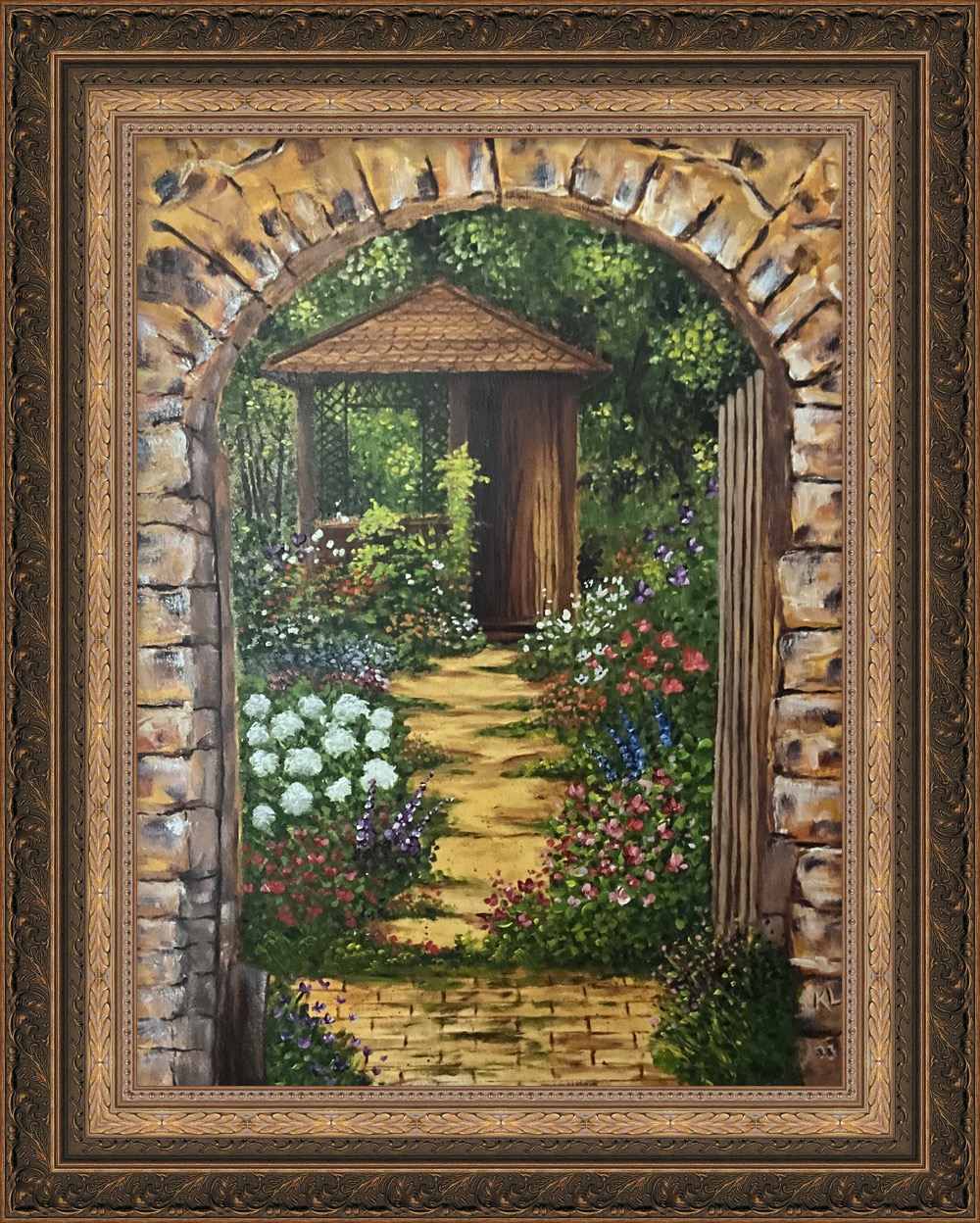
Oil Paintings

Oil paints have been a favorite medium of artists for centuries because of their richness, flexibility, and durability. One of the greatest advantages of oil paint is its slow drying time, which allows artists to blend colors smoothly and make adjustments over an extended period. This makes it ideal for creating soft transitions, detailed shading, and realistic textures. The depth and vibrancy of oil colors are unmatched, producing luminous finishes that can range from subtle glazes to bold, impasto effects. Artists can build layers gradually, adding dimension and complexity to their work in ways that are difficult to achieve with faster-drying mediums.

Another major benefit of oil paints is their longevity. Many masterpieces created hundreds of years ago—such as those by artists of the Renaissance—remain vibrant today because oil paint forms a durable, flexible film once cured. The versatility of oils also allows them to be used on various surfaces, including canvas, wood panels, and primed boards. Whether an artist prefers fine detail, expressive brushstrokes, or richly textured surfaces, oil paints offer the control and range needed to bring creative visions to life.


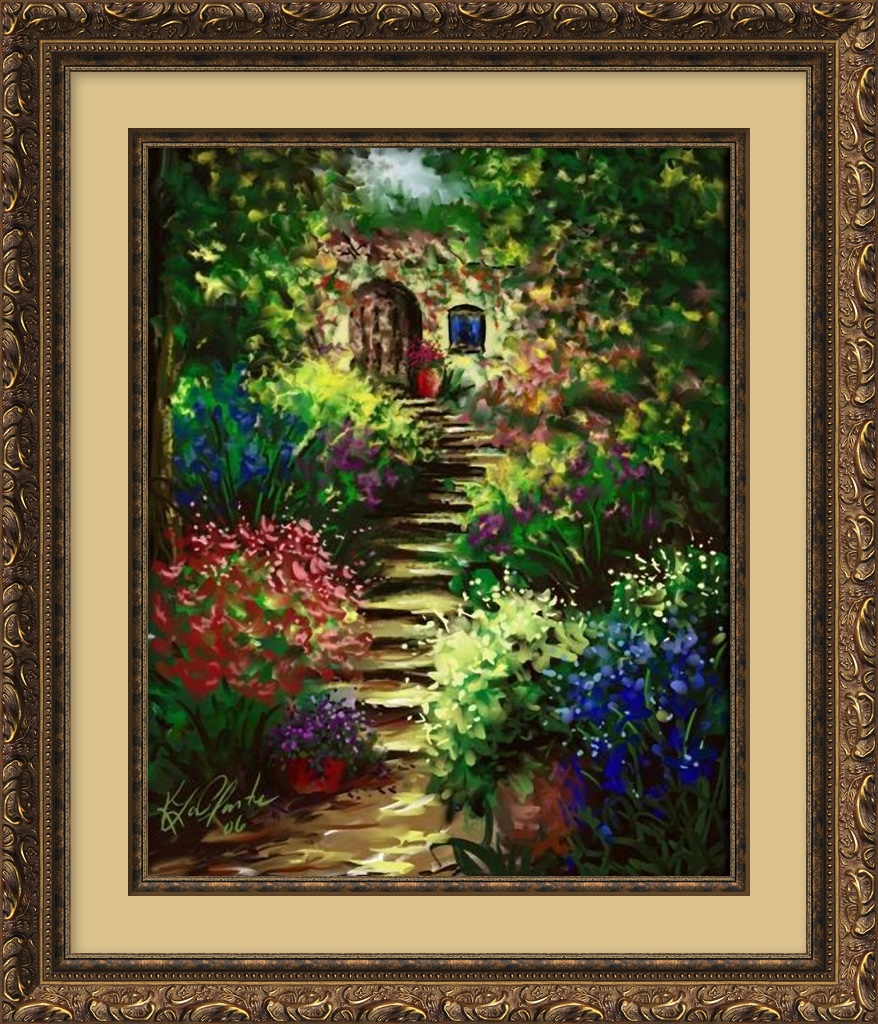
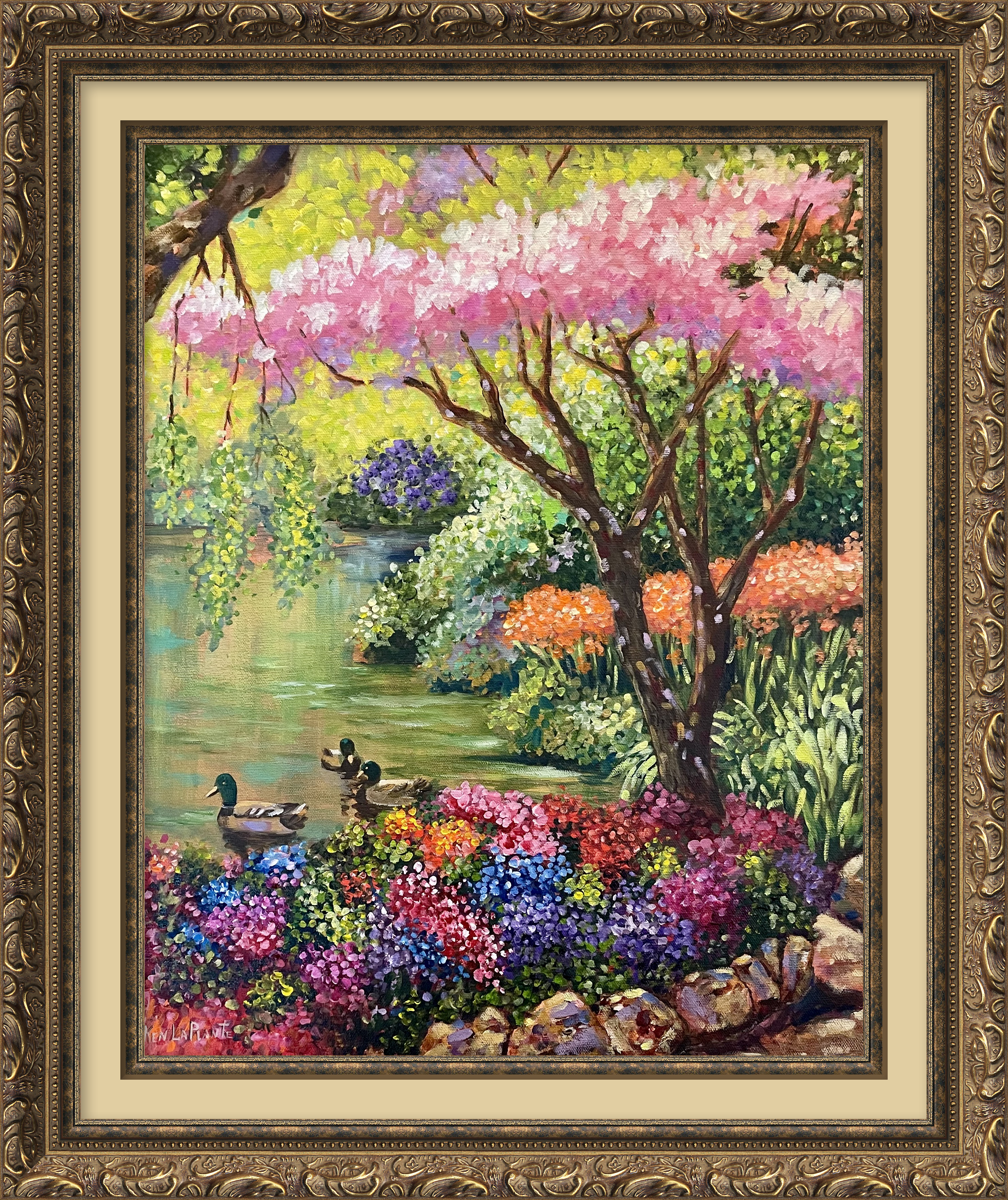
The painting on the left is an original oil painting by Ken LaPlante.

Check out the Blog

Describe your business, service, or mission in one or two sentences so visitors know what you’re all about.

Painting Medium

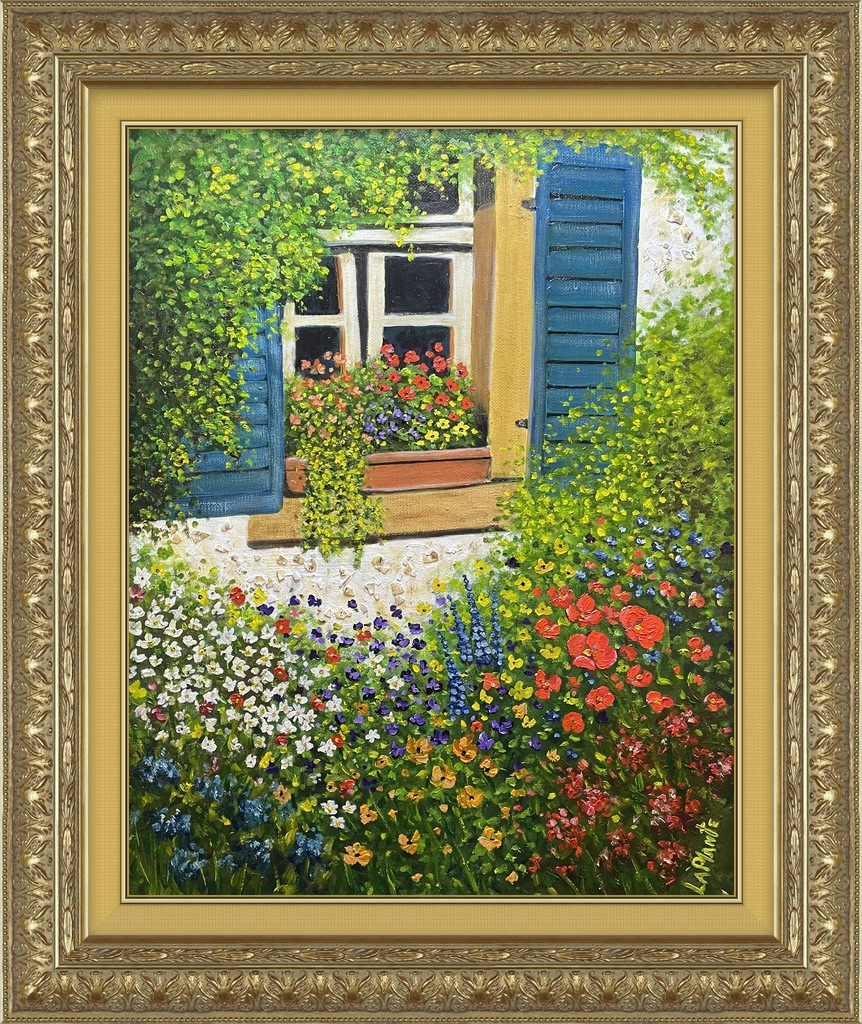
Acrylic Paintings

I enjoy painting with Acrylic paints for the following reasons:

Acrylic paint is popular with beginners and professional artists alike because of its versatility, durability, and ease of use. One of its biggest advantages is its fast drying time, which allows artists to layer colors quickly without long waits in between. It can be used straight from the tube for thick, textured applications or thinned with water or mediums to create smooth washes similar to watercolor. Acrylic paint adheres well to a wide range of surfaces—including canvas, wood, paper, fabric, and even metal—making it ideal for fine art, crafts, and DIY projects.

Another key benefit of acrylic paint is its long-lasting, flexible finish. Once dry, it becomes water-resistant and resists cracking or yellowing over time. The colors remain vibrant, and many modern acrylics are formulated to be lightfast, helping artwork maintain its brilliance for years. Cleanup is simple as well—just soap and water while the paint is still wet—making it a convenient and accessible choice for artists working at home, in classrooms, or in studios.

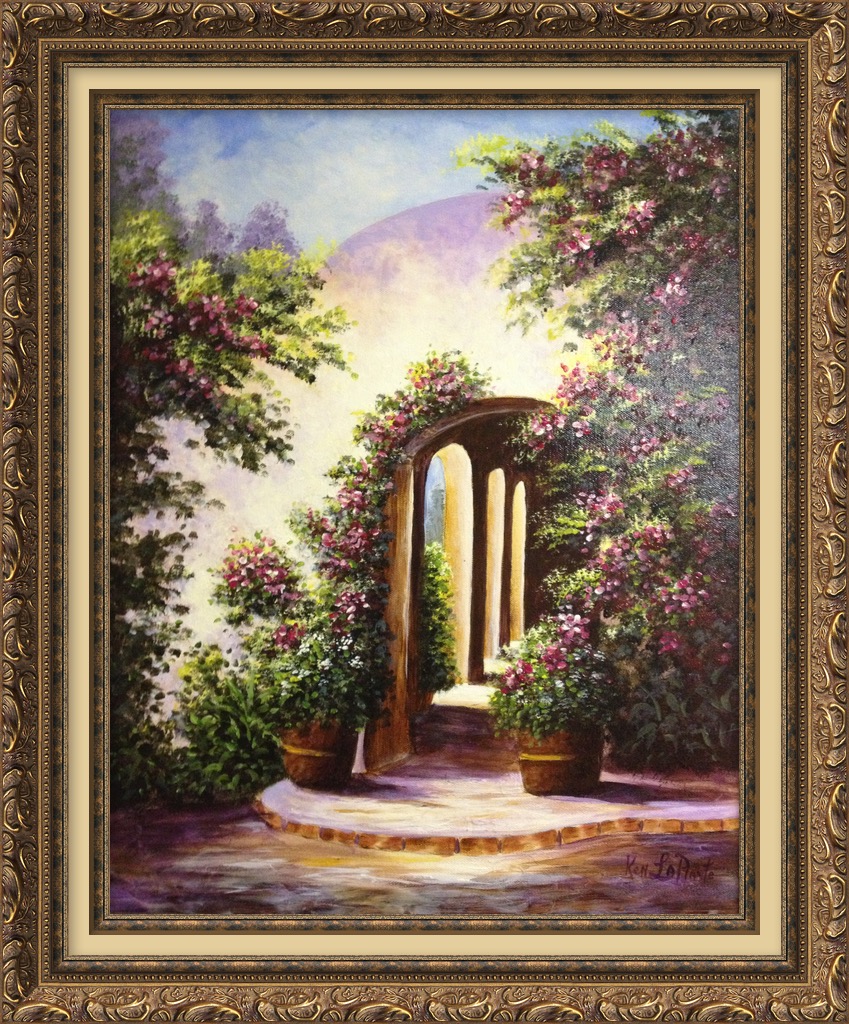
This painting on the right is designed by ? Painted by Ken LaPlante

Painting Medium

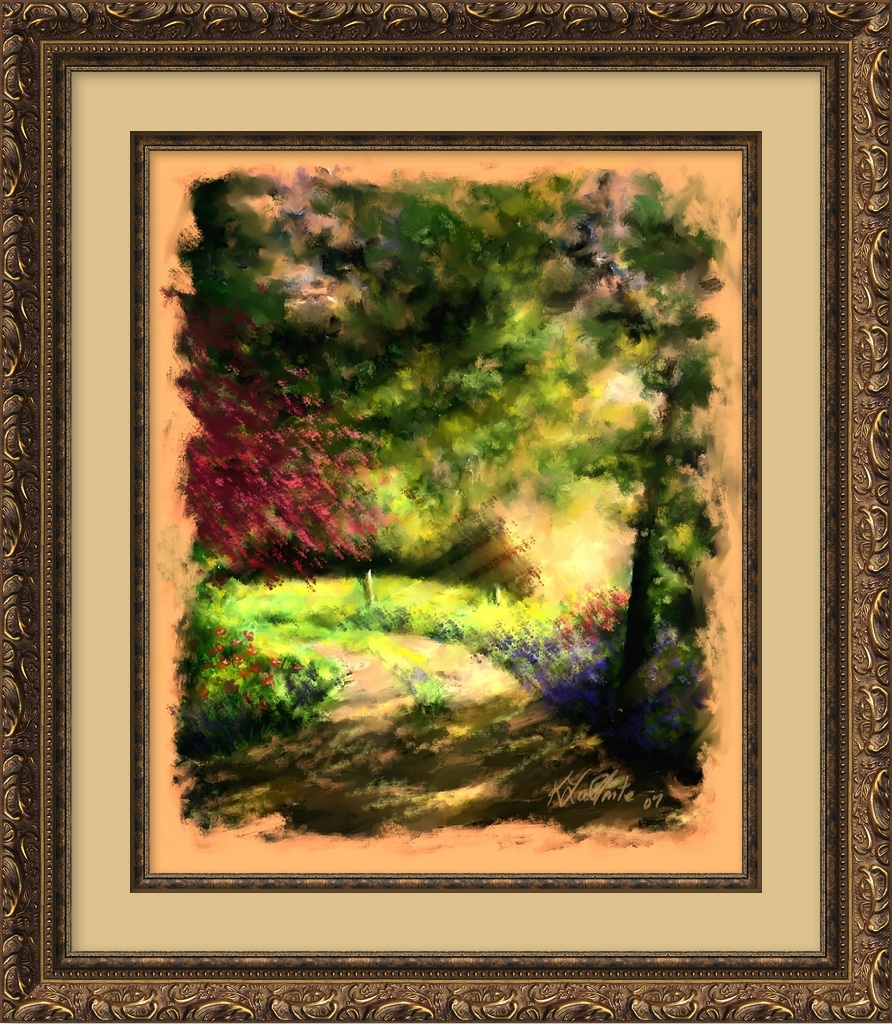
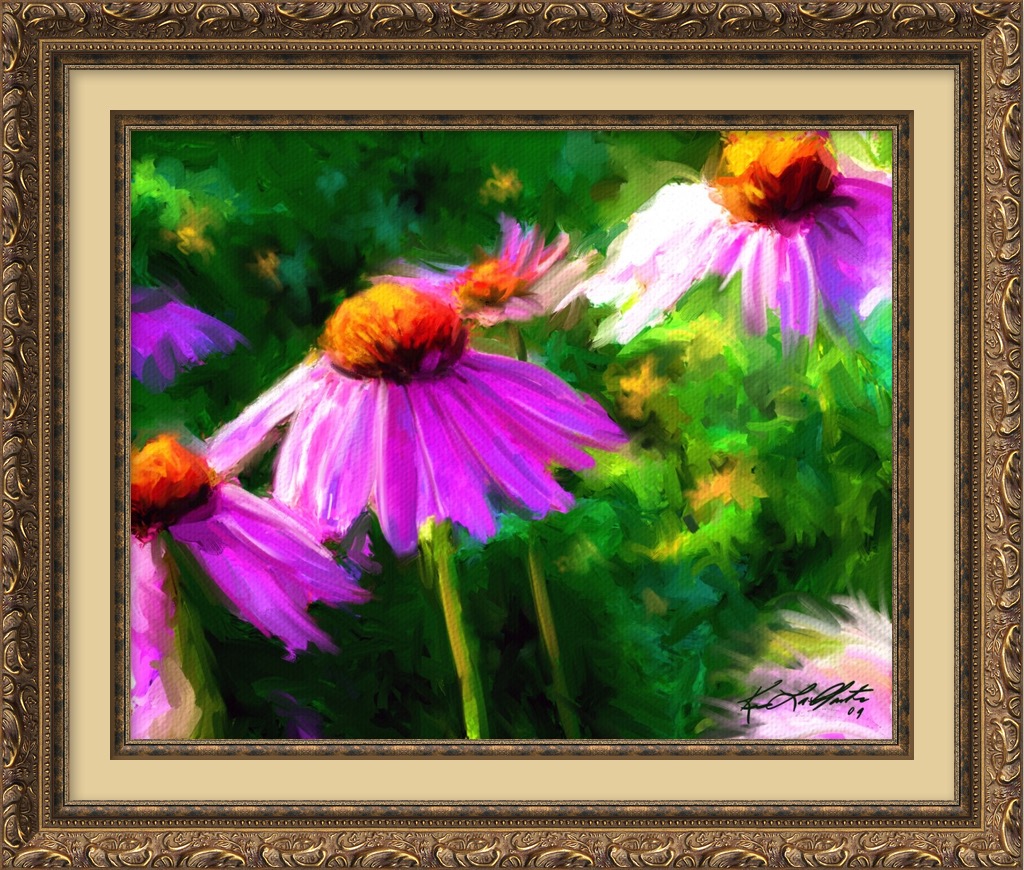
Digital Paintings

Digital painting offers artists a powerful combination of flexibility, efficiency, and creative freedom. Unlike traditional media, it allows for unlimited undo and redo options, making experimentation far less risky and encouraging bold creative choices. Layers enable artists to work on different elements independently, adjust composition easily, and refine details without affecting the entire piece. With customizable brushes, textures, and effects, digital tools can replicate traditional media like oil or watercolor—or create entirely new styles that aren’t possible on canvas. This versatility makes digital painting ideal for everything from fine art to illustration, concept design, and marketing graphics.

Another major benefit of digital painting is convenience. There’s no need for physical supplies, drying time, or dedicated studio space—just a tablet or computer and software. Colors can be changed instantly, artwork can be resized without losing quality (depending on format), and files can be shared or printed quickly. Digital work also integrates seamlessly with modern workflows, making it especially valuable for designers, game artists, and content creators who need to collaborate or revise frequently. Overall, digital painting combines artistic expression with technological efficiency, opening up new possibilities for creators at every skill level.


The painting on the left is an original digital painting by Ken LaPlante.

My Favorite Painting Materials

Paint

Liquitex Heavy Body Acrylic Paint

Liquitex Heavy Body Acrylic is Liquitex’s flagship professional acrylic paint line, known for its thick, high-viscosity, pigment-rich formula that behaves much like oil paint but with the convenience of water-based cleanup. It’s formulated with artist-quality pigments and advanced acrylic resin technology, giving you rich, permanent color with a satin finish and excellent handling characteristics. Because of its substantial body, it holds crisp brushstrokes and palette knife marks beautifully, making it ideal for techniques where texture and surface definition matter most, like impasto, expressive layering, and sculptural paint effects.

Artists appreciate Heavy Body acrylics for their buttery consistency, flexibility when dry, and durability, which means thick layers won’t crack or chip as they cure, and your vibrant colors remain stable over time thanks to strong lightfastness and UV resistance. Whether you’re working on canvas, board, wood, or mixed-media surfaces, these paints offer excellent open working time for blending, and they can be manipulated with brushes, knives, combs, or other tools to achieve a wide range of expressive effects.
Paint

Berlin Lukas Water Mixable Oil Paint

Lukas Berlin Water Mixable Oil Paint refers to a professional line of water-mixable oil paints from LUKAS that combine the classic look and feel of traditional oil paint with the convenience and safety of water-soluble media. Unlike conventional oil paints that require turpentine or mineral spirits for thinning and brush cleaning, Berlin water-mixable oils are formulated with specially modified linseed and sunflower oils that allow the paint to be thinned, blended, and cleaned up using just water and mild soap. This makes them an excellent option for artists working in studios with limited ventilation, classroom environments, or anyone sensitive to chemical solvents, without sacrificing the rich behavior of oil paint.

These paints still offer many of the hallmarks of traditional oils: high pigment concentration, good lightfastness, and a smooth buttery consistency with a typical satin finish that responds well to brushes, palette knives, and layering techniques. They dry more or less like classic oils — surface drying typically takes several days — and they support virtually all standard oil painting methods, including wet-on-wet blending, glazing, and impasto. Because water acts as the thinning medium, these paints unusually allow watercolor-like effects when diluted heavily, but are still capable of building up opaque, vibrant layers.

Canvas

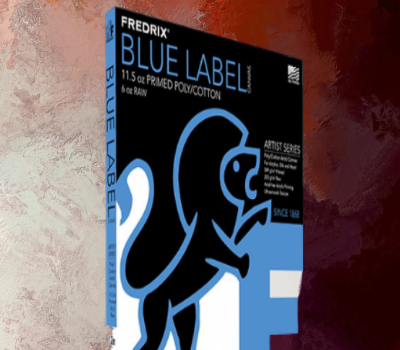
Fredrix Blue Label Canvas

Fredrix Blue Label canvas is a high-quality, pre-stretched painting surface favored by artists for fine detail work like portraiture and realism. Manufactured by Fredrix, it’s made from a medium-weight blend of polyester/flax (polyflax) and cotton duck that provides an exceptionally ultra-smooth texture — the smoothest in the Fredrix lineup. The canvas is triple-primed with acid-free acrylic titanium gesso, giving painters a bright white, archival ground that’s ready for use with oils, acrylics, water-soluble oils, and a range of other media right out of the package. Available in both standard and deeper gallery profiles, it’s stretched on kiln-dried stretcher bars with back-stapled edges for a neat, stable painting surface that supports detailed brushwork and can be painted on all four edges.

Brushes

Scharff Oil Paint Brushes

Scharff Brushes oil paint brushes are known for their balance of durability, performance, and affordability, making them a popular choice among both hobbyists and professional artists. Designed specifically to handle the thick, buttery consistency of oil paints, these brushes typically feature sturdy bristles that maintain their shape even with heavy paint application and repeated cleaning. The handles are crafted for comfort and control, allowing artists to work confidently on everything from fine detail to bold, expressive strokes. With a range of shapes and sizes available, Scharff oil paint brushes provide versatility and reliability, helping painters achieve smooth blending, rich texture, and consistent results on canvas.